

The Modern Parenting Disconnect
In a world of screen time, standardized tests, and packed schedules, many parents feel like they’re losing touch with their child’s emotional world. You’re not alone if you’ve noticed your child:
- Melting down over small frustrations
- Struggling to express big feelings
- Reacting with anger, withdrawal, or anxiety
The truth? Your child’s emotional growth isn’t just taught with words—it’s experienced. And often, the very thing your child needs isn’t more rules or lectures…
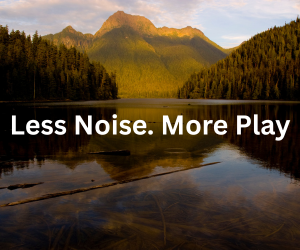
…it’s less noise and more play
A Simple Walk That Changed Everything
A few years ago, I worked with a family whose 6-year-old daughter had frequent meltdowns after school. She couldn’t explain why, and her parents were exhausted. We tried reward charts, time-outs, even calm-down corners—nothing stuck.
Eventually, we tried something different.
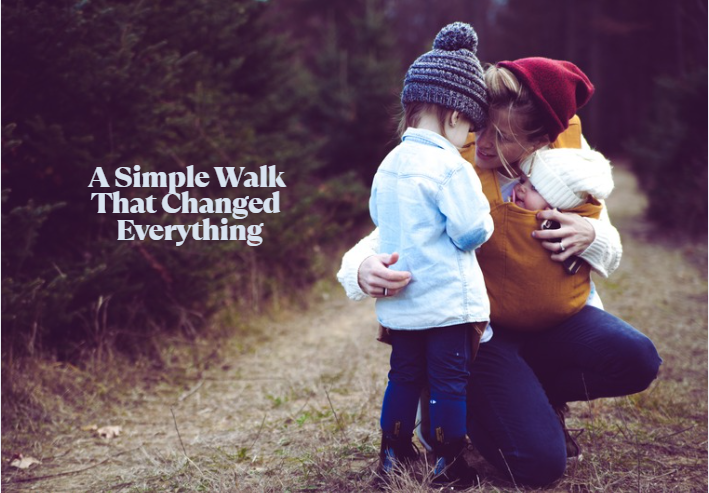
Instead of asking her to talk about her feelings the moment she got home, we added a simple 15-minute nature walk to their routine. No agenda. No pressure. Just a chance to decompress and connect.
Within two weeks, her meltdowns cut in half.
She began to open up—not when asked—but while spotting birds, crunching leaves, or playing tag on the trail. Through unstructured outdoor play, her nervous system relaxed, and her emotions found safe expression.
It wasn’t therapy in a traditional sense.
It was presence. It was movement.
It was nature doing what it does best—regulating, healing, and growing.
Tools to Get You Started (With a Little Help)
1. Prioritize Unstructured Outdoor Time
Even 15 minutes a day in your yard, a park, or on a nature trail can do wonders.
Affiliate pick: Balance Bike – If your child isn’t into walking, this balance bike encourages movement and freedom without overwhelm. (Amazon Affiliate Link)
2. Add Play Prompts That Build Connection
Open-ended toys and sensory tools can help children express feelings without words.
Affiliate pick: Outdoor Sensory Table – Great for dirt, water, rocks, and loose parts. A mini lab for emotional expression.
Affiliate pick: Washable Nature Paints – Let emotions spill out through color and creativity.
3. Use Books to Name Feelings in Nature Settings
Stories can help children build emotional vocabulary.
Affiliate pick: “The Rabbit Listened” – A gentle story about being with big feelings.
Affiliate pick: “Outside In” – A beautiful book about how nature always calls us back to ourselves.
Need a little more help?
I’ve created a free PDF guide with quick emotional regulation tools for families that combine play, nature, and connection—no therapist required.
Want to go deeper? I offer virtual parent support sessions to help tailor tools to your unique child.
Book a free 15-minute consultation
Final Thoughts
You don’t have to “fix” your child’s emotional growth. You just need to meet them in the space between stillness and play—where they feel safe, seen, and connected. Nature gives us that space. Every single day.